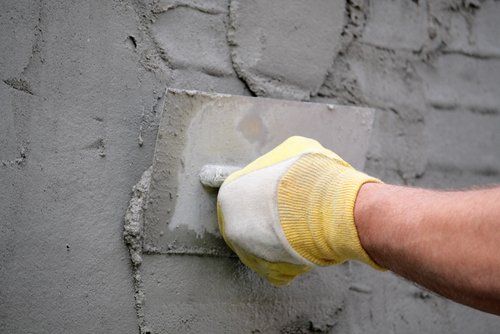

10 Signs Your Home Needs Stucco Repair
Your home's exterior often reveals problems before they become expensive repairs. A small crack, an unusual stain, or a subtle change in texture may seem insignificant at first, but these warning signs can indicate deeper issues developing behind the surface. Since stucco acts as a protective barrier against moisture, weather, and temperature changes, even minor damage should not be overlooked.
Ignoring early signs of stucco problems can allow water to penetrate behind the surface, leading to mold growth, structural damage, and costly repairs. By recognizing these issues early, homeowners can take action before minor concerns become major restoration projects. Here are 10 signs your home needs stucco repair and why acting quickly can help preserve your home's beauty, value, and structural integrity.
1. Visible Cracks Spreading Across the Surface
Cracks are usually the first clue that something beneath the surface isn't right, and not all cracks are created equal. Fine hairline cracks running in random directions are often just the result of natural curing and temperature shifts, and rarely signal a serious problem. However, once cracked stucco begins to widen, branch into a spiderweb pattern, or run diagonally from window and door corners, it usually indicates that the underlying structure is shifting or that the material has lost its bond with the wall.
Addressing these issues with timely
stucco repair can help prevent more extensive structural damage and significantly reduce future repair costs. Paying attention to how a crack behaves over several weeks, rather than dismissing it after a single glance, is one of the smartest habits a homeowner can develop.
2. Discoloration or Staining on the Walls
Stucco is designed to protect your home, but prolonged moisture exposure can leave visible signs on the surface. Dark streaks, brown patches, water stains, or uneven discoloration often indicate that moisture may be entering behind the stucco.
Unlike ordinary dirt, moisture-related stains often return after cleaning because the source of the problem remains underneath the surface. Persistent staining can contribute to damaged stucco, mold growth, wood rot, and deterioration of the wall system if left untreated. If you notice recurring discoloration, it is important to investigate the cause rather than simply covering it with paint or cleaning products.
3. Soft or Spongy Spots When Touched
Healthy stucco should feel firm and stable across the surface. If certain areas feel soft, flexible, or spongy when touched, it may indicate moisture has penetrated behind the exterior layer. Soft spots commonly develop near windows, doors, the foundation line, or areas affected by leaking gutters and poor drainage.
Over time, trapped moisture can weaken the materials beneath the stucco and compromise the overall wall system, leading to more serious structural concerns. While a quick touch test can reveal possible warning signs, professional evaluation is the best way to determine the extent of the damage and whether stucco repair is needed.
4. Bulging or Warped Wall Sections
When sections of your exterior walls begin to bulge, warp, or appear uneven, it may indicate a problem beneath the stucco surface. This type of damage often occurs when moisture becomes trapped behind the material, causing layers to separate, weaken, or lose their bond with the wall.
Bulging areas may look subtle at first, but they usually become more noticeable when viewed from different angles or in direct sunlight. Since this issue often indicates advanced moisture damage, delaying repairs can allow the problem to spread to surrounding areas. Professional stucco repair can help restore damaged sections and prevent further deterioration of your home's exterior.
5. Musty Odors or Mold Growth Indoors
Some stucco problems reveal themselves inside your home rather than on the exterior. A persistent musty odor, especially in specific rooms near exterior walls, can indicate moisture has entered through cracks, damaged flashing, or deteriorating stucco.
Visible mold growth around window frames, baseboards, or interior drywall is another warning sign that water may be reaching areas it should not. Beyond causing property damage, mold can affect indoor air quality and should be addressed promptly. If interior moisture issues appear alongside exterior stucco damage, a professional inspection can help identify the source and determine the appropriate solution.
6. Cracks or Gaps Around Windows and Doors
The areas around windows and doors are some of the most vulnerable parts of a stucco exterior. Because different materials expand and contract at different rates, these areas experience additional stress over time.
Small cracks or gaps around these openings may allow water to enter behind the stucco, especially during heavy rain or storms. If these areas are ignored, moisture can gradually damage the wall system and lead to greater repair needs. Regularly checking these high-risk areas can help homeowners catch early signs of stucco deterioration before they become more serious problems.
7. Efflorescence or White, Chalky Residue
A white, powdery substance appearing on your stucco walls may be a sign of efflorescence. This occurs when moisture moves through porous materials and leaves behind mineral deposits as the water evaporates.
While the residue itself may not directly damage your home, recurring efflorescence is a visible indication that moisture is moving through the stucco system. Over time, continued water exposure can contribute to damaged stucco, surface deterioration, and deeper wall issues.
If white deposits continue to return after cleaning, it is important to identify and address the underlying moisture source rather than treating only the visible residue.
8. Cracks or Separation Near the Foundation Line
The area where your stucco meets the foundation experiences constant exposure to moisture, ground movement, and temperature changes. Cracks, gaps, or separation along this section can be an early indication of exterior wall damage.
Because water naturally collects near ground level from rain, sprinklers, and runoff, foundation-level cracks can allow moisture to enter more easily. Over time, this can affect the surrounding stucco and underlying wall materials. A careful inspection around the base of your home can help identify potential issues before they develop into larger structural concerns.
9. Peeling Paint or Blistering on the Surface
Peeling paint, bubbling, or blistering may appear to be simple cosmetic problems, but they can often signal moisture trapped beneath the surface. When water becomes trapped behind stucco, it can push outward, causing paint layers to separate.
Unlike normal fading caused by age or sunlight, moisture-related paint damage usually appears in specific areas or patches. Simply repainting these spots may temporarily hide the issue but will not resolve the underlying cause. Recognizing peeling paint as a possible sign of damaged stucco helps homeowners address the underlying problem rather than resorting to short-term fixes.
10. A Noticeable Increase in Energy Bills
Not every warning sign is something you can see with your eyes, and rising energy costs are a perfect example of a hidden clue. When exterior walls develop cracks, gaps, or damaged stucco caused by moisture intrusion, they can gradually lose their ability to protect your home's insulation and energy efficiency.
This means heating and cooling systems may need to work harder to maintain comfortable indoor temperatures, resulting in higher monthly utility bills. Homeowners often focus on HVAC problems, while the actual issue may be related to exterior wall damage. If your energy costs have increased without any obvious lifestyle changes or equipment issues, inspecting your stucco exterior can help identify potential problems before they become more serious..
Conclusion
Homes rarely fail all at once. They often send small warning signals long before a problem becomes impossible to ignore, and the difference between a simple repair and a major restoration project usually depends on how quickly those signs are addressed.
Walking your property regularly and paying attention to changes in cracks, texture, color, and moisture patterns can help protect your investment and peace of mind. If you notice any signs of damage, scheduling professional stucco repair promptly can help restore your home's appearance, prevent further deterioration, and protect its long-term value.
You might also like